
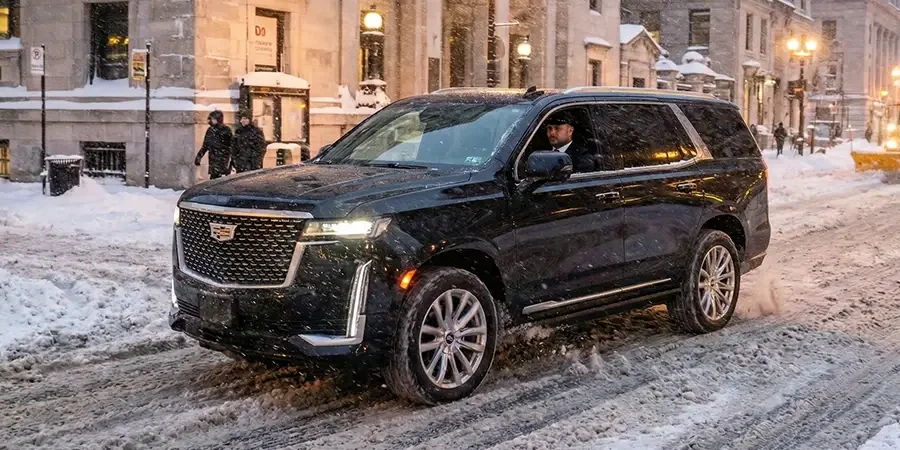
A sweeping winter system that’s blanketing parts of the United States has forced state officials in Mississippi to close multiple driver service bureaus, highlighting just how disruptive cold-weather conditions can be, not just for government services, but for private transportation as well.
The Mississippi Department of Public Safety announced that its Northern and Central driver service stations would remain closed on January 26 because of icy roads and unsafe conditions, with Southern Region offices delaying their opening until mid-morning. The closures affect dozens of towns from Batesville to Tupelo and Greenville, and underscore real challenges that seasonal weather poses not only for motorists but for the mobility ecosystem at large.
For everyday commuters, a closed driver service bureau means rescheduling appointments and delayed renewals. But for professional chauffeurs and private transportation providers, it’s more than an inconvenience; it can mean a sudden pivot in how they operate. In severe weather, many ordinary drivers stay off the roads, and passengers who must travel increasingly turn to companies with trained drivers and weather-ready fleets.
“During winter weather, professional chauffeur services become a lifeline for people who need safe, reliable transit,” says a spokesperson for a national luxury transportation group. Trained chauffeurs don’t just drive; they anticipate hazardous road conditions by slowing down appropriately, using real-time weather and traffic tracking, and communicating route changes clearly with clients.
Across the country, private transport companies are seeing an uptick in calls when public services reduce hours or close entirely. Airports, for example, often become flashpoints for travel disruptions during storms, and passengers with fixed flight schedules increasingly choose chauffeur services over public transit or rideshare apps, whose drivers may opt out of shifts in unsafe conditions. Professional fleets often invest in winter preparations, from winterized vehicles to route contingency planning, giving them a competitive edge when the weather turns.
But it’s not just about marketing or comfort: safety is central. Chauffeurs undergo seasonal hazard training and are coached to handle ice, snow, and slush, a level of preparedness regulators argue is crucial when government offices pause operations. In this way, the winter closures that impact license bureaus and DMVs also illuminate a broader shift in how Americans think about mobility during extreme weather.
The simple truth: when cranks turn and motors idle, people still need to get where they’re going, and someone has to drive them there.


