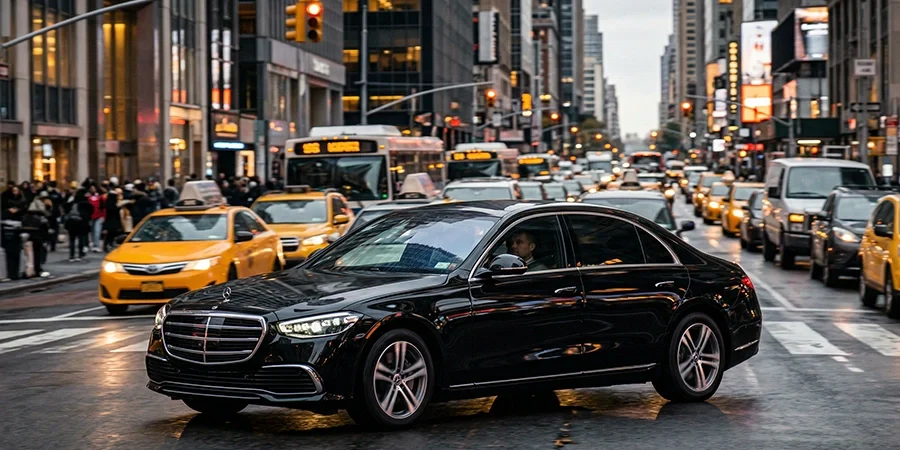

Millions of people travel across New York City every day. Workers, residents, and visitors all share the same roads, bridges, and subway lines. During certain hours, these routes become extremely crowded. This is called rush hour.
Rush hour creates a serious problem: lost time and unpredictable schedules. A trip that normally takes 20 minutes can take over an hour during peak traffic. Over time, these delays add up.
When your travel time is unpredictable, you cannot plan your day with confidence. Time spent stuck in traffic is time taken away from work, family, or rest. Solving this problem starts with understanding when rush hour is in NYC and learning how to travel more efficiently.
NYC Rush Hour at a Glance
For a fast answer, here are the typical busy periods in the city.
Keep in mind that traffic levels can vary slightly by location, weather, and time of year. The information is from the NYC Department of Transportation – official traffic speed data.
Rush Hour Period | Typical Time |
Morning rush hour | 7:00 AM – 10:00 AM |
Evening rush hour | 4:00 PM – 7:00 PM |
Subway peak hours | 7–9 AM / 4–6 PM |
Easiest travel window | 10 AM – 3 PM |
Why Rush Hour Happens in New York City
New York City is one of the most densely populated places in the United States. This means a very large number of people live and work in a small area. Every day, millions of commuters travel from surrounding areas such as New Jersey, Long Island, and Westchester County into Manhattan, where most offices are located. These commuters use the same roads, bridges, and tunnels to get to work in the morning and return home in the evening. Understanding what time is rush hour in NYC, and knowing exactly when traffic peaks, is essential for planning any trip in or around New York City
At the same time, the city has limited road space. There are only so many streets, bridges, and tunnels available to handle all these vehicles. Understanding when rush hour is in NYC helps explain why traffic builds up. The morning hours bring people into the city, and the evening hours take them out again. This pattern happens every weekday and is a normal part of life in New York. For visitors, knowing what time is rush hour can help you plan your day and avoid being stuck in heavy traffic.
Morning Rush Hour in NYC
If you are wondering when rush hour is in New York City during the morning, here is your answer: the morning rush hour usually starts around 7:00 AM and continues until 10:00 AM.
During these three hours, the city becomes very busy. Millions of people travel to Manhattan because that is where most offices and businesses are located. They come from neighborhoods across New York City and from nearby areas like New Jersey and Long Island.
If you are on the streets during this time, you will notice that traffic moves slowly. Bridges and tunnels that connect to Manhattan become crowded. Even the subway feels different. Platforms are filled with people, and trains arrive already full. This is the busiest time of the day for the entire transportation system.
For visitors, understanding when rush hour is in the morning is useful. If you do not need to be somewhere early, it is often easier to wait until after 10:00 AM to start your day. The streets become quieter, and travel becomes much smoother.
Evening Rush Hour in NYC
The evening rush hour usually begins at 4:00 PM and lasts until 7:00 PM. This is the time when office workers finish their day and leave Manhattan to go home.
During these hours, the flow of traffic reverses from the morning. Instead of coming into Manhattan, people are leaving. They travel out of the city through bridges and tunnels to reach the other boroughs like Brooklyn, Queens, and the Bronx, as well as suburban areas outside the city.
Many visitors find that the evening rush hour feels more intense than the morning. One reason is that tourists and event traffic add to the crowds. People going to dinner, shows, or evening activities are on the roads at the same time as commuters. This makes the streets even busier.
Last December, we at NYC United Limo timed a drive from Herald Square to the Lincoln Tunnel entrance at 5:15 PM. It took 28 minutes to move just six blocks.
If you are exploring the city, knowing when rush hour ends in the evening can help you plan. After 7:00 PM, traffic starts to ease. Waiting until after this time to travel across town or head to the airport can save you a lot of time.
NYC Subway Rush Hour
The subway system in New York City has its own busy periods. Even if you are not driving, you will still experience rush hour if you take the train. Rush hour time for the subway is generally from 7:00 AM to 9:00 AM in the morning and from 4:00 PM to 6:00 PM in the evening.
During these hours, subway platforms become crowded. You may see long lines of people waiting for trains. When a train arrives, it is often already full from previous stops. You may need to wait for a second or third train before you can board, especially at stations in Manhattan.
When so many passengers are using the system at once, trains can run slower, and small issues can cause bigger disruptions. The subway is still a reliable way to get around, but it requires patience during these hours.
Many people choose the subway specifically to avoid road congestion. While the trains are crowded, they do not get stuck in traffic like cars and taxis do. If you can plan your trips outside of the 7–9 AM and 4–6 PM windows, you will find the trains much less crowded and your travel more comfortable.
The Most Congested Roads and Areas in NYC
If you are visiting New York City, it helps to know which roads and areas become the most crowded during rush hour in NYC. Traffic is not the same everywhere. Some places get much busier than others, and knowing these locations can help you plan your route or avoid them altogether.
Midtown Manhattan Streets
Midtown Manhattan is the heart of the city’s business district. Streets like 42nd Street and 34th Street are especially busy during peak hours. These roads are home to major landmarks, including Times Square, Grand Central Terminal, and the Empire State Building. During rush hour, these streets fill with cars, taxis, buses, and pedestrians. Movement becomes very slow, and what looks like a short distance on a map can take a long time to travel.
Major Bridge and Tunnel Approaches
The roads leading to bridges and tunnels are another source of heavy congestion. The approaches to the Lincoln Tunnel, which connects Manhattan to New Jersey, become packed with vehicles during morning and evening commutes. The same is true for the Queens-Midtown Tunnel and major bridges like the Brooklyn Bridge and the Ed Koch Queensboro Bridge. These are the main entry and exit points to Manhattan, so when rush hour starts, these areas become some of the busiest in the city.
Busy Cross-Town Corridors
Cross-town corridors are streets that go from one side of Manhattan to the other, such as 14th Street, 23rd Street, and 42nd Street. Unlike avenues that run north and south, these streets have limited space and often face heavy traffic. During this rush hour in New York, crossing town can take much longer than expected. If you need to go from the east side to the west side, it is often faster to use the subway or plan your trip outside of peak hours.
The Worst Roads for NYC Rush Hour (According to Drivers)
A 2025 poll of 3,004 drivers asked a simple question: which rush hour stretch makes you rethink your whole life? The top five answers were all in New York and New Jersey. Coming in at #1 was the I-95/New Jersey Turnpike from Newark to the George Washington Bridge, followed by the I-495 Long Island Expressway, the I-95 Cross Bronx Expressway, the I-278 Brooklyn-Queens Expressway (BQE), and the NJ-495 Lincoln Tunnel approach. As one driver put it, sitting on the Cross Bronx during rush hour doesn’t just delay you, it makes you question your whole path.
Understanding How Traffic Changes Throughout the Week
If you’re new to the area or visiting for the first time, it helps to know that traffic here has its own weekly rhythm. It isn’t the same every day, and knowing what to expect can help you plan a smoother trip.
- Monday: This is the start of the workweek. You will generally see moderate congestion, meaning the roads are busy but often a little lighter than the middle of the week as people ease back into their routines.
- Tuesday through Thursday: These are the busiest days for commuter traffic. During these three days, you will find the most consistent crowds on the road, especially during the morning hours (when people go to work) and the late afternoon (when they return home). If you need to travel during these times, it is wise to allow for extra time.
- Friday: On Fridays, the mornings are usually similar to the rest of the week, but the evening congestion is often much heavier. This is because, in addition to regular commuters, many people start their weekend travel or head out for social plans right after work.
Seasonal and Holiday Traffic Patterns
Beyond the weekly schedule, traffic levels also change depending on the time of year. Different seasons bring different driving conditions.
- Summer: During the summer months, there is an increase in tourism. You will notice more cars on the road, particularly during the midday travel hours. Unlike other seasons where traffic peaks only in the morning and evening, summer often has steady traffic throughout the middle of the day as visitors move between attractions.
- Holiday Season: During the end-of-year holiday season, areas near shopping districts and popular attractions become extremely busy. Roads around malls, retail centers, and entertainment venues can see heavy stop-and-go traffic. If you plan to visit these areas during the holidays, it is best to go early in the morning or later in the evening to avoid the busiest times.
- Winter: In the winter, it is important to watch the weather forecast. Weather conditions like rain, ice, or snow can slow traffic significantly. Even if the storm is mild, road surfaces can become slippery, which leads to increased travel times. Drivers usually slow down for safety, so it is a good idea to leave earlier than usual and keep a safe distance between you and the car ahead of you.
Best Times of Day to Travel Across NYC
Planning your trip around these windows can help you avoid delays.
Time of Day | Traffic Level | Notes |
Before 6 AM | Light | This is the best time to travel. |
7–10 AM | Heavy | This is the morning rush hour. |
10 AM – 3 PM | Moderate | This is the easiest window for daytime travel. |
4–7 PM | Very heavy | This is the evening rush hour. |
After 8 PM | Light to moderate | Traffic conditions improve after 8 PM. |
How Rush Hour Affects Travel to the Airports
If you are flying in or out of New York City, it is very important to know how peak traffic affects your trip. The city is home to three major airports: JFK Airport (in Queens), LaGuardia Airport (also in Queens), and Newark Liberty International Airport (across the river in New Jersey). All three are surrounded by busy highways, and the time it takes to reach them can change dramatically depending on the hour.
During rush hour, the roads become crowded with commuters. This can easily double or triple your travel time to the airport. If you need to travel during these busy periods, it is wise to allow extra time for your trip. Whenever possible, try to avoid leaving for the airport during the busiest commute periods, which are typically weekday mornings from around 7:30 AM to 9:30 AM and weekday afternoons from 4:30 PM to 7:00 PM.
Smart Strategies for Avoiding Rush Hour Traffic
To help you reduce stress and avoid delays, here are some practical tips you can use when planning your travel:
- Travel earlier than the peak commuting hours. If you have a flight, consider leaving for the airport before 7:00 AM or after 9:30 AM. Leaving just an hour earlier can often save you a significant amount of waiting time in traffic.
- Plan your trips during the late morning or midday. This is often the best window for smooth travel to and from the airports.
- Use a navigation app to monitor real-time traffic updates. Apps like Google Maps or Waze show you current traffic conditions in real time. They can alert you to accidents or heavy congestion and suggest faster routes along the way.
- Consider public transit for certain routes. Depending on where you are staying, public transit can sometimes be more reliable than a car during rush hour. For example, the AirTrain connects to JFK and Newark, and buses or subways can take you close to LaGuardia.
How Professional Drivers Navigate NYC Rush Hour
Experienced drivers like taxi drivers, ride-share drivers, and car service professionals are very familiar with city congestion. They use a few key methods to keep their passengers moving:
- They constantly monitor real-time traffic conditions to find better routes. Rather than sticking to one main highway, they often know side streets that can save time.
- They may also adjust pickup times to avoid the heaviest periods of traffic. If you are booking a ride, a professional driver might suggest leaving a little earlier or later to help you avoid the worst of the congestion.
Quick Tips for Navigating NYC Rush Hour
To help you remember the most important points, here is a short summary:
- Allow extra travel time during peak hours. It is always better to arrive at the airport early and wait at your gate than to be stuck in traffic worrying about missing your flight.
- Avoid Midtown during the busiest periods. If your route takes you through Midtown Manhattan, try to schedule your trip outside of rush hour, as this area experiences some of the heaviest traffic in the city.
- Plan airport transfers carefully, especially during the week. Weekday mornings and afternoons are when commuter traffic is heaviest. If your flight lands during these times, expect a slower ride to your destination.
- Use a navigation app for live traffic updates.
Rush Hour in NYC – FAQs
What time is rush hour in NYC?
The morning rush hour is from 7:00 AM to 10:00 AM. The evening rush hour is from 4:00 PM to 7:00 PM.
What is the busiest time of day in New York City?
The busiest times are during the morning peak (8:00 AM to 9:30 AM) and the evening peak (5:00 PM to 6:30 PM).
When is the best time to drive in NYC?
The best time to drive is before 6:00 AM or after 8:00 PM.
Does the NYC subway have rush hour?
Yes, the subway is busiest from 7 AM to 9 AM and 4 PM to 6 PM.
What is the best way to travel to NYC airports during rush hours?
It is best to book a professional JFK Airport Car Service for punctual airport arrivals.